
A Toronto spectacle becomes a larger reflection on fandom, family, loyalty, and Canada’s need to rally around its own.
LIMITED EDITION COVER ESSAY
BY pUBLISHER/EDITOR IN CHIEF GEORGE SULLY
here is something deeply Canadian about the way we gather.
We may argue. We may debate. We may critique from the sidelines with the confidence of people who believe we could have coached the game better, written the verse better, built the brand better, or handled the moment better. But when one of our own is on the world stage, something quiet but powerful rises in us. Something that says, whether we admit it or not, that is ours.
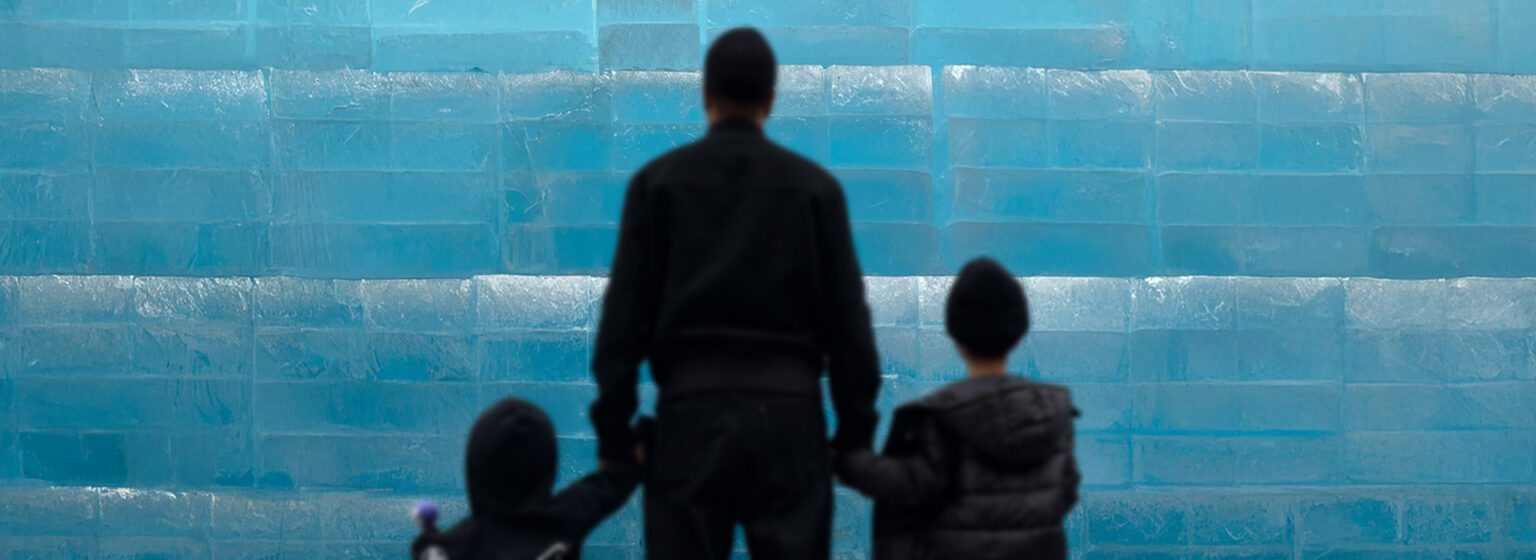
I felt it recently when I took my kids to see the now infamous ice structure connected to Drake’s new album rollout. On the surface, it was a marketing stunt. A block of ice. A spectacle built for social media, headlines, crowds, and speculation. But standing there, watching people gather around it, phones raised, opinions flying, curiosity pulling strangers into the same orbit, I realized it was something more than fandom.
It felt almost like a Canadian duty.
Not duty in the heavy, flag-waving sense. Not blind loyalty. Not celebrity worship. But the duty to witness. The duty to show up when something born from this soil commands global attention again. The duty to say, even quietly, we were here for this.
Canada has a complicated relationship with pride. We are often more comfortable being modest than being loud. We celebrate quietly until the world gives us permission to celebrate openly. We love our heroes, but we are also quick to humble them. We build people up, then test whether they deserve the height.
And then there is Drake.
Say what you may about him. And people have said plenty. About the music. About the battles. About the wins, the losses, the ego, the vulnerability, the machine, and the mythology. About whether he represents the city, the country, the culture, or only himself.
But has anyone in Canadian music exuded such gravitational energy? Has anyone from this country, especially in hip hop, made people rally, debate, defend, dismiss, celebrate, and participate at this magnitude for this long?
That is the part that fascinates me.
Because at this stage, Drake is no longer just an artist. He is a mirror. He reflects our pride and our insecurity at the same time. He reflects the tension between Canadian humility and global ambition. He reflects the discomfort we sometimes have when someone from here refuses to shrink themselves for the comfort of others.
In rap, division has always been part of the theatre. Competition sharpens the blade. Rivalries define eras. Lines are drawn, sides are chosen, and history often remembers the conflict as much as the music. But when that division pulls a Canadian artist into the centre of the global conversation, we as Canadians are forced to confront something deeper.
Do we only stand behind our own when the applause is unanimous?
Or do we understand that cultural impact is rarely clean?
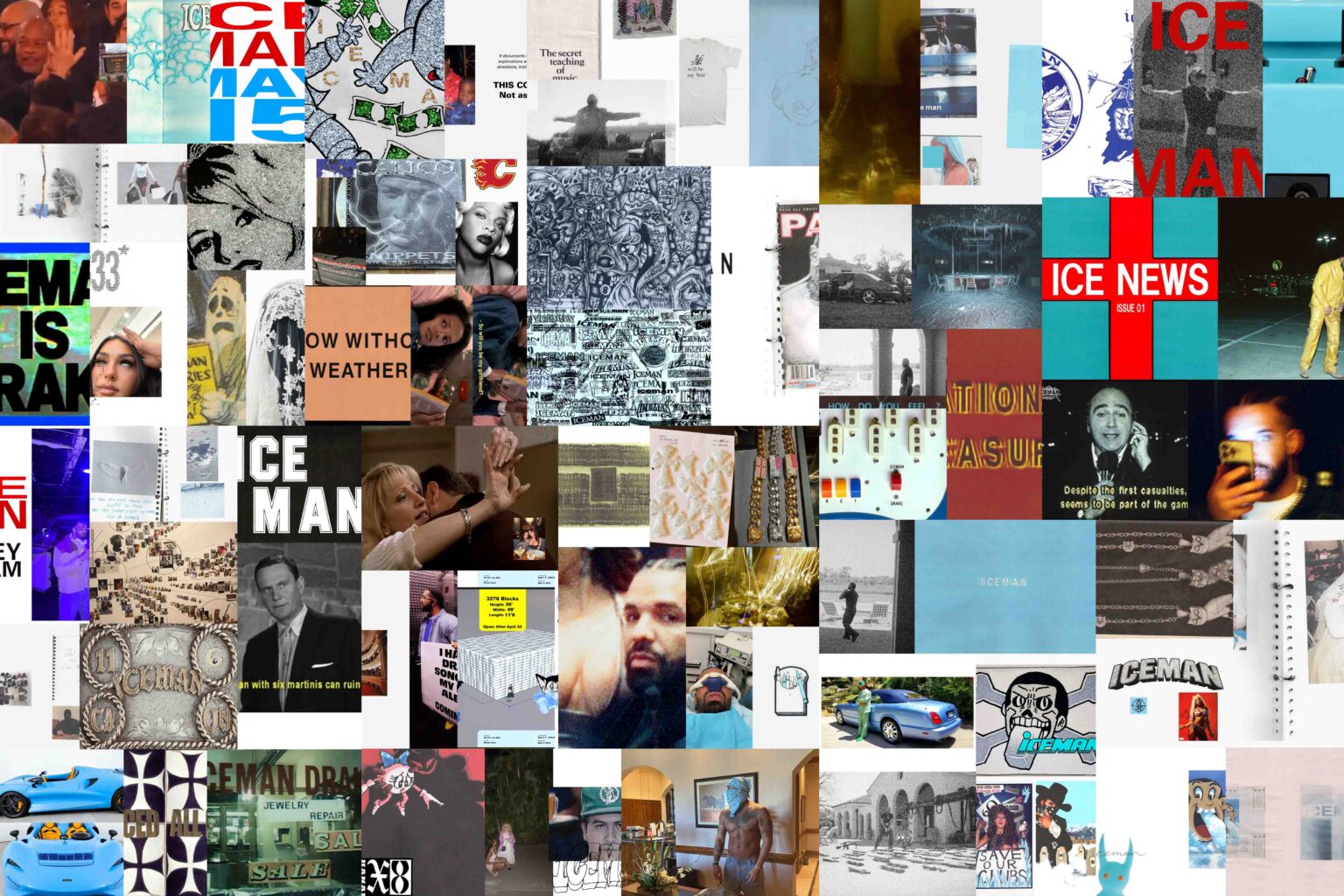
There is a reason sports becomes the easiest metaphor. When the Raptors made their championship run, the country became a living room. People who never watched basketball were suddenly standing in Jurassic Park, wearing jerseys, honking horns, screaming at screens, and feeling part of something bigger than themselves. It was not just about basketball. It was about being seen. It was about knowing a team from here could make the world look north.
That same instinct lives in music, fashion, art, film, and design. It is the instinct to gather when one of our own breaks through the ceiling. It is the instinct that says, we may not all agree on the person, the method, or the moment, but we understand the significance of the visibility.
That is what I saw in that ice structure.
I saw a city participating in its own mythology.
At BDC Magazine, this matters because our entire existence is rooted in cultural recognition. We understand what it means to build visibility where there was once erasure. We understand what it means to rally around talent before the mainstream knows how to value it. We understand that pride is not arrogance when it has been earned through endurance.
Canadian pride does not always arrive with fireworks.
Sometimes it arrives as a crowd around an ice block. Sometimes it arrives as a father bringing his kids downtown because he knows, somewhere inside, that this is bigger than a celebrity rollout. Sometimes it arrives as a quiet thought: they can say what they want, but look at what he made people do.
He made them gather.
In a time where culture is fragmented, attention is scattered, and music feels more divided than ever, gathering is no small thing. To make people leave their homes, talk, argue, post, laugh, speculate, and stand in the cold glow of a shared moment is not just marketing. It is cultural command.
And command is rare.
So perhaps the question is not whether everyone loves Drake. Perhaps the question is whether we can recognize what it means when a Canadian artist can still move the temperature of the culture. Whether we can separate personal opinion from national significance. Whether we can admit that rallying, even imperfectly, is part of what makes us who we are.
Because Canadians do rally.
We rally when the home team is in the finals. We rally when the underdog becomes undeniable. We rally when the world finally sees what we saw first. We rally when someone from here steps into the arena and refuses to act small.
The ice was temporary.
The feeling was national.